
Comprehensive Guide to Electrical Safety in the Home


Understanding Electrical Safety Basics
Electricity powers our homes and lives, but it also poses potential hazards if not handled properly. Understanding the basics of electrical safety is crucial for preventing accidents and ensuring a safe environment. This guide will help you recognize and mitigate common electrical risks at home.

Identifying Electrical Hazards
Electrical hazards can manifest in various forms, such as frayed wires, overloaded outlets, and faulty appliances. Regularly inspect your home for these dangers. Pay close attention to cords and plugs, replacing any that show signs of wear and tear. Additionally, avoid running cords under rugs or furniture where they can easily become damaged.
Safe Use of Electrical Appliances
Appliances are a common source of electrical hazards. Always follow the manufacturer's instructions and never use an appliance with a damaged cord or plug. Unplug appliances when not in use to reduce the risk of overheating or electrical fires. Consider investing in surge protectors to safeguard your devices from power surges.

Preventing Electrical Overloads
Overloading circuits is a frequent cause of electrical fires. To prevent this, avoid plugging too many devices into a single outlet. Use power strips wisely and ensure they're equipped with circuit breakers for added protection. If you frequently trip breakers, it might be time to consult an electrician to assess your home's electrical capacity.
Childproofing Electrical Outlets
Children are naturally curious, making electrical outlets a potential hazard. Use outlet covers or tamper-resistant receptacles to prevent accidental shocks. Educate children about the dangers of electricity, emphasizing why they should never insert objects into outlets.

Handling Electrical Emergencies
Knowing how to respond to electrical emergencies can save lives. If you encounter a downed power line, maintain a safe distance and contact authorities immediately. In the event of an electrical fire, use a fire extinguisher designed for electrical fires and never attempt to extinguish it with water.
When to Call a Professional
While many minor electrical issues can be handled safely, there are times when professional intervention is necessary. If you notice frequent power surges, flickering lights, or burning odors from outlets, it's important to call a licensed electrician to investigate and rectify the problem.
Routine Maintenance and Inspections
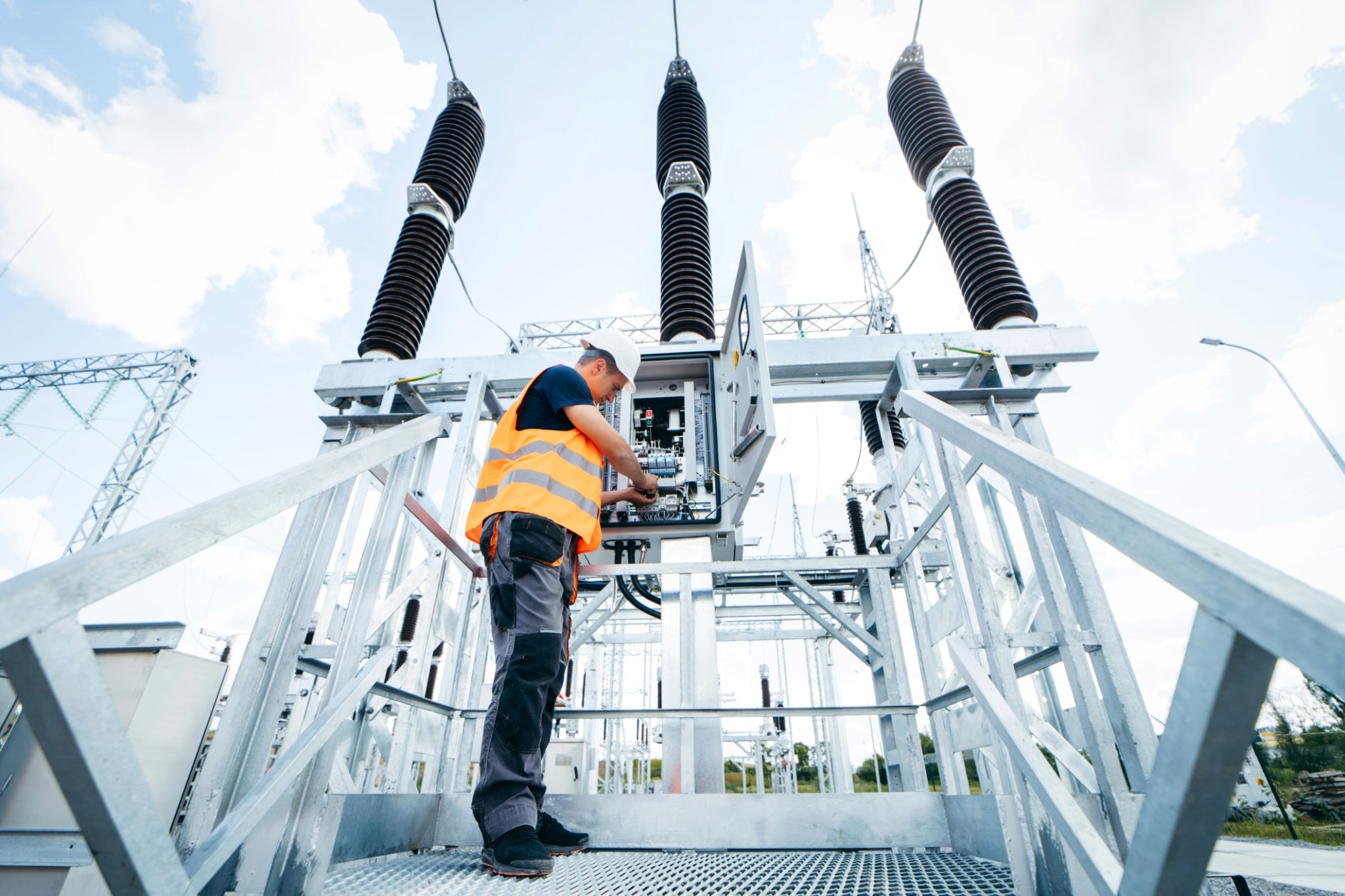
Regular maintenance and inspections are key to ensuring electrical safety in the home. Schedule annual check-ups with a qualified electrician to identify potential issues before they become serious problems. This proactive approach can help prevent accidents and prolong the life of your electrical system.
By understanding and implementing these electrical safety measures, you can create a secure environment for yourself and your family. Remember, when in doubt, always consult a professional to address any electrical concerns.